
Introduction to Massage Therapy
Massage therapy is a healing art that has been practiced for thousands of years, but for many beginners, the myriad of techniques can seem overwhelming. If you're new to massage therapy in Loveland, CO, this guide will simplify the complex world of massage techniques and help you understand how they can benefit your mind and body.
What is Massage Therapy?
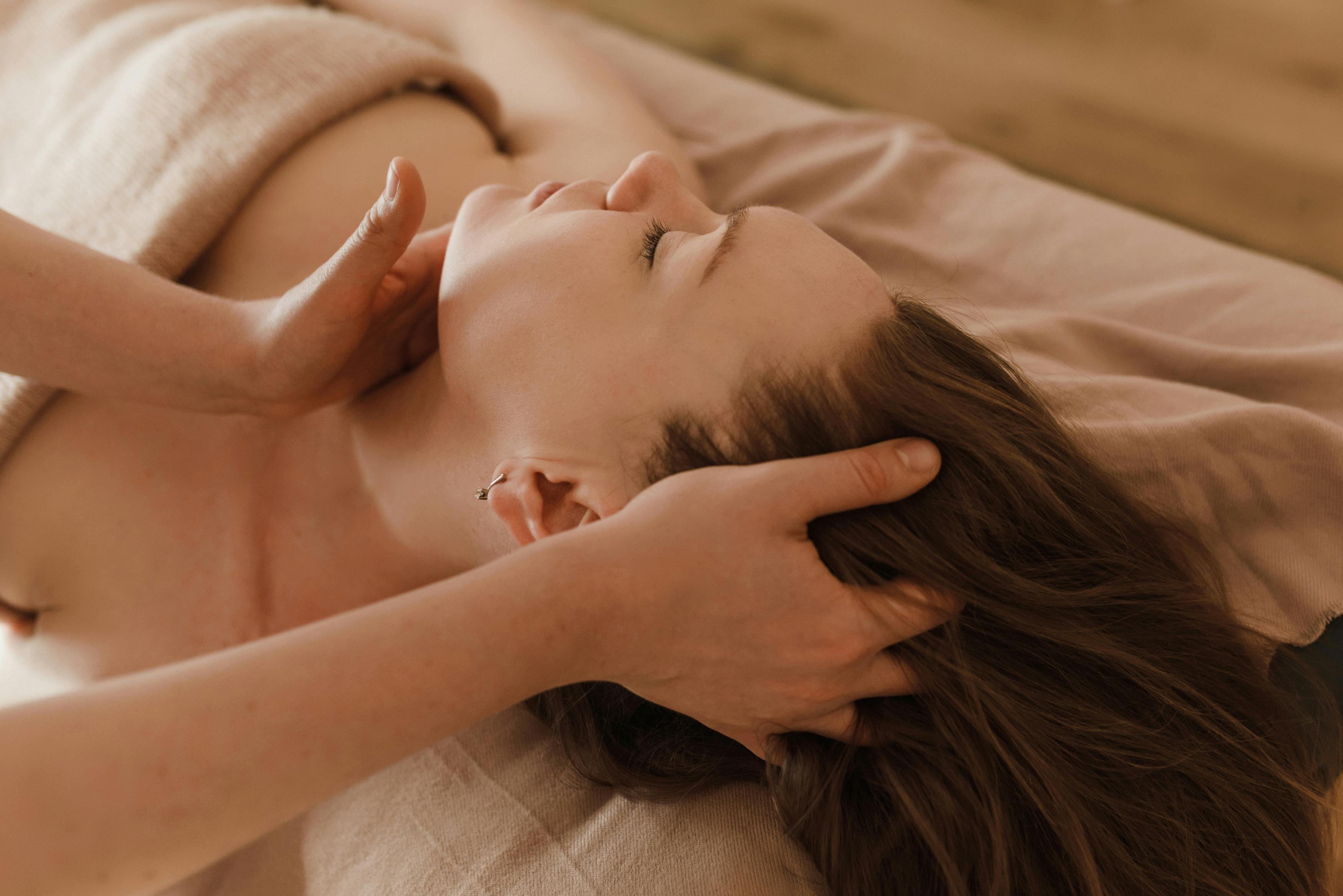
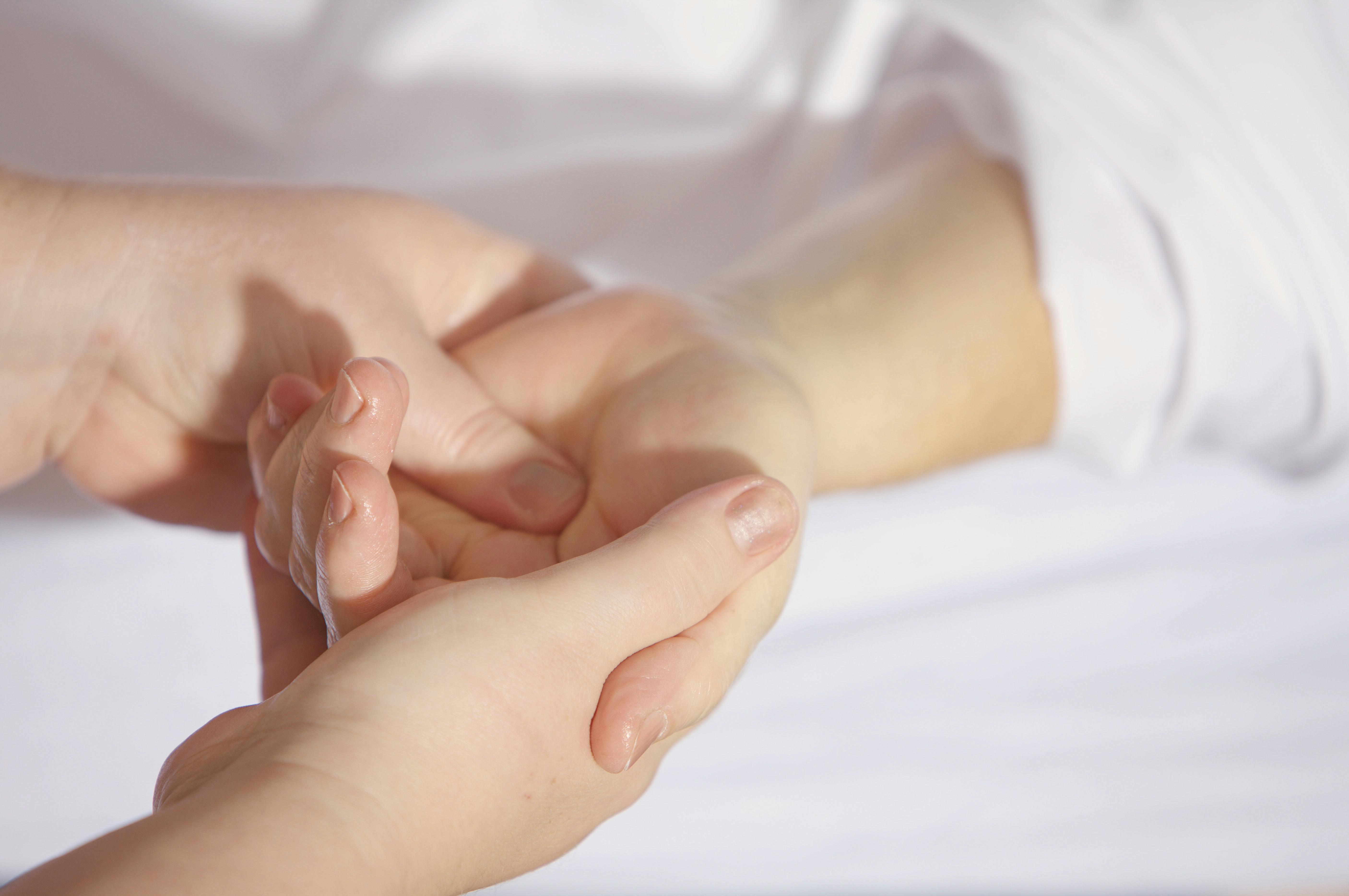
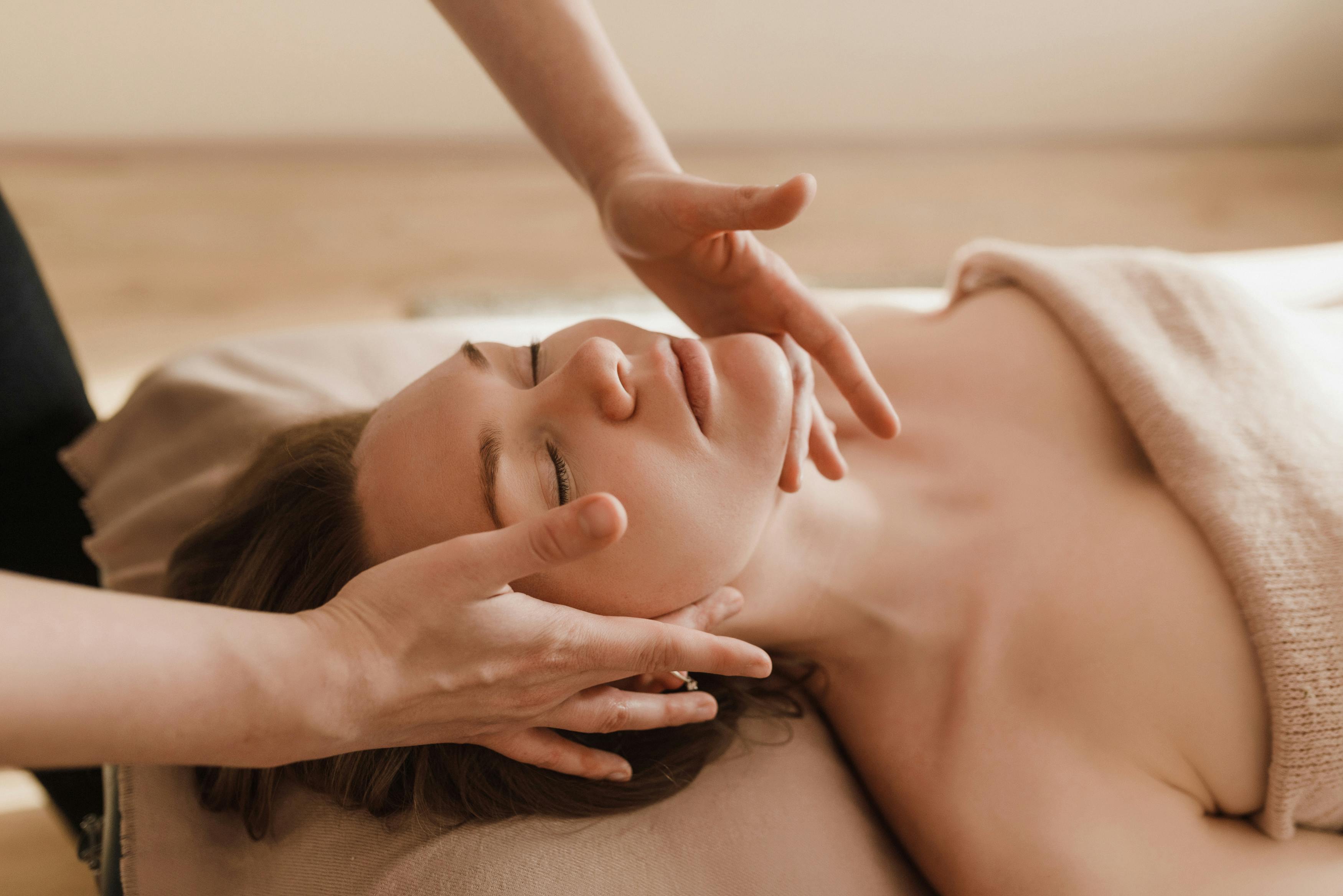
At its core, massage therapy involves manipulating the body's muscles and soft tissues using various methods. This can include applying pressure, kneading, or stroking to relieve tension, improve circulation, and promote relaxation. While the concepts might sound technical, they essentially boil down to improving your well-being through touch.
Common Massage Techniques Explained
When you book a session at Healing Kneaded Massage in Loveland, you're not just signing up for relaxation; you're engaging in a therapeutic process that can address specific needs. Here are some common massage techniques explained in simple terms:
Swedish Massage
This is perhaps the most well-known form of massage. It involves long, flowing strokes combined with kneading and circular movements. Swedish massage is designed to relax the entire body and is perfect for beginners seeking stress relief.
Deep Tissue Massage
While similar to Swedish massage, deep tissue massage goes further by applying more pressure to reach deeper layers of muscle and fascia. This technique is beneficial for those dealing with chronic pain or muscle injuries.
Trigger Point Therapy
Trigger points are tight areas within muscle tissue that cause pain in other parts of the body. Trigger point therapy focuses on these areas to alleviate pain and tension. Think of it as a more targeted approach to solving specific muscle issues.
Hot Stone Massage
Hot stone massage involves placing warm, smooth stones on specific parts of the body. The heat from the stones helps muscles relax, allowing the therapist to work on deeper muscle layers. It's a great option if you're looking for intense relaxation.
How to Choose the Right Technique for You
With so many options, choosing the right massage technique might seem daunting. Here's a simple guide to help you decide:
- Identify Your Needs: Are you looking to relieve stress, alleviate pain, or just relax? Your goal will guide your choice.
- Consult with a Therapist: At Healing Kneaded Massage, our trained therapists can help you choose the right technique based on your specific needs.
- Consider Your Comfort Level: Some techniques require more pressure than others. If you're a beginner, you might want to start with Swedish massage and gradually try other techniques.
The Benefits of Massage Therapy
Massage therapy offers numerous benefits that go beyond just relaxation:
- Reduces Stress: Regular sessions can lower cortisol levels, the hormone associated with stress.
- Improves Circulation: By enhancing blood flow, massage can help nourish tissues and remove waste products.
- Relieves Pain: Techniques like deep tissue massage can alleviate chronic pain and muscle tension.
- Boosts Mood: Massage therapy increases the production of endorphins, the body's natural feel-good chemicals.
Finding the Right Massage Therapy in Loveland, CO
If you're ready to experience the benefits of massage therapy, finding the right practitioner is crucial. At Healing Kneaded Massage, our expert therapists are dedicated to providing personalized services tailored to your needs. We understand that every client is unique, and we strive to offer a therapeutic experience that enhances your overall well-being.
Conclusion: Embrace the Journey
Understanding massage therapy doesn't have to be complicated. By breaking down the techniques into simple terms, we hope to empower beginners in Loveland, CO, to explore this healing art with confidence. Whether you're seeking relaxation or relief from pain, the right massage technique can make a significant difference in your life.
Ready to begin your journey? Contact Healing Kneaded Massage today to schedule your first session and discover the transformative power of touch.